Science Museum Tour

Talking to someone who worked in the Omnitheater

We met Mark Dahlager, the Vice President of Museum Experiences, at a previous demo at the Science Museum of Minnesota with Wrench Dressing and he invited us to tour the Science Museum’s exhibit shop. First, we went to the office space where exhibit ideas are discussed and designed. We met with some engineers who helped with various parts of the museum such as the Omnitheater and temporary exhibits. We learned about how they come up with ideas for exhibits and how they develop and prototype their designs. Then, we went down to the shop where most of their manufacturing is done. We met with several engineers who used a CNC router, 3D printers, and soldering to create exhibit parts. Two of the engineers we talked to actually competed on FRC teams in the past which was really cool to learn. Overall, it was really fun to see how exhibits are created at the Science Museum and how different engineers ended up working there!

Mentoring BCS Vikings

Talking with BCS Vikings about pit design and tournament structure

BCS Vikings, a rookie FTC team from Norway, posted on social media that they needed general help from other teams, so we reached out and offered to help them. First, we introduced ourselves and what we do on the team and then they went through their introductions. After that, we helped them with some of their software issues. We explained why C++ doesn’t work well for FTC and why they would be better off using Java for programming. We also helped them figure out how to track joystick movements correctly as they didn’t know that the y-joystick values are reversed (up is negative, down is positive). We talked with them about how tournaments are run and the general outline of tournaments. They asked about pit design and we described how we design our pit and what is required for a pit. During the meeting, they mentioned that they were low on money because they are the only Norwegian FTC team in the last 15 years. We talked about how we contact companies for sponsorship by cold-calling and they described how cold-calling isn’t a thing in Norway so they have been emailing companies instead. They were also curious about 3D printed custom parts and asked if there were any restrictions on 3D printing. We talked about how we use a lot of 3D printed parts and how there aren’t strict restrictions on 3D printing. It was exciting to mentor an international team and we are going to stay in contact with them.

Engineering Review Night

We hosted a virtual Engineering Review Night and invited our engineering mentors. During the meeting, we explained our robot’s designs through CAD and asked for their input and suggestions.

On the Zoom meeting we presented and explained each of the subsystems of our robot to the engineers. We also showed videos and images of the prototypes we have made so far and described how they were tested with the outcomes.

After presenting our robot to the engineers we asked them what suggestions or comments they had. One of our major concerns was the structural integrity of the odometry pod pivot points so it was suggested that we look into flexures. They are layered sheet metal components that are flexible in one direction and extremely rigid in the other. The engineers also told us that we could calculate the moment of inertia of our supports and determine what changes will make our drivetrain stronger. It was recommended that we calculate our robot’s center of gravity by placing the weights of parts on an x, y graph and using the moment of inertia and torque calculations. Mark, one of the engineers we invited from Minnesota Measuring Engineers, even offered to look at our calculations after we did them to make sure they were accurate. The engineers strongly suggested we do a risk analysis to identify where we were struggling and focus on those issues. We are implementing it to make our work more efficient. Finally, Mark recommended we check out a book called Fundamentals of Machine Component Design. It is an engineering textbook used in college, and it covers many of the topics and challenges we are dealing with right now. During the engineering review night, we received a lot of helpful feedback from the engineers and we will definitely continue to reach out to them.

Learning how we can improve our robot designs from the engineers

Boston Scientific Maple Grove Tour

Boston Scientific Weaver Lake Phase III Expansion | Kraus-Anderson

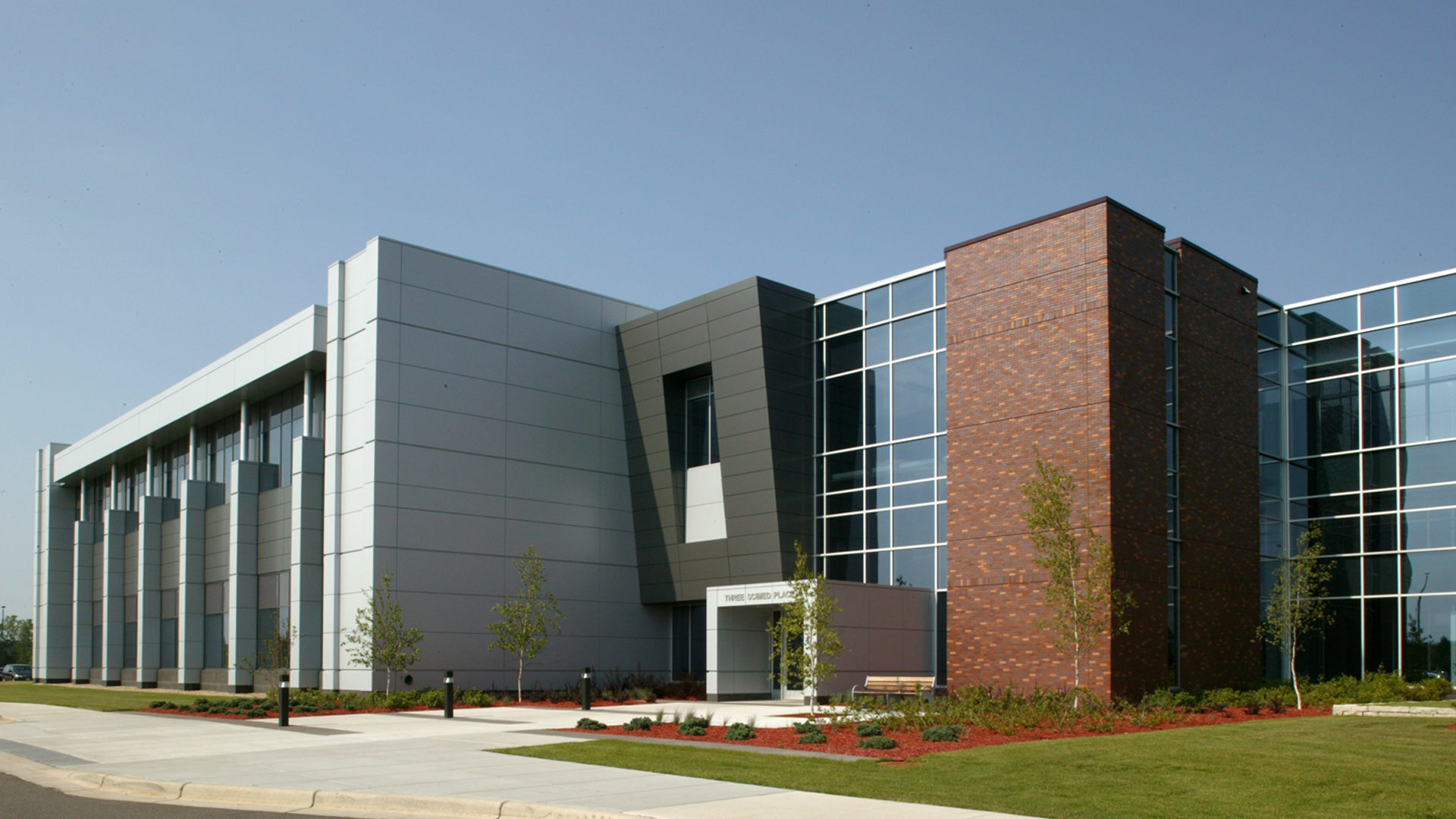
Our team met with Mr. Maves, a machine vision engineer, to learn about his work at Boston Scientific and what engineers do at the facility. He showed us the machine vision that he and his colleague were working on which was being used to speed up and ease the process of manufacturing parts. They would use a high-quality camera to detect any flaws and create a visual model of the part. This visual model will be displayed on a computer to be used for making small adjustments. He then showed us all of the manufacturing parts of the facility and how machine vision was or is planned on being used in manufacturing. We also toured the part of the building with mock operating rooms where doctors are trained to use Boston Scientific’s products on a patient. Finally, we met with a couple more engineers who work on machine vision in a very similar way to Mr. Maves. Overall, it was really exciting to see all of the different manufacturing processes for tools made at Boston Scientific and how machine vision is being utilized in the real world.

CIA Mentoring #2

CIA wanted help with setting up their robot for testing and they were getting a warning on their Driver Hub that said that the version of the Control Hub and Driver Hub were not matching. We explained to them that the warning doesn’t prevent the robot from running because if the Control Hub’s version is below the Driver Hub’s version then the robot can still run as intended.

Us explaining what the warning means to them

Benton County Fair

We demoed our robot at the Benton County Fair for two days in a row to reach out to the community. As well as letting people drive our robot, our team also demoed two controllable FLL robots. We also talked with the FRC team and other FTC teams at the event and learned about their robots.

Showing off FLL to the people at the fair
Talking with the FRC team at the fair

YCARE Demos

We went to three Y-Care facilities in our local school district to give a demonstration of our robot to the kids there. We introduced ourselves to each of the small groups of kids and told them about FIRST and youth robotics. Then we let the kids drive our robot from last year and play with the LEGO SPIKE bots. We gave the kids robot driver’s licenses after they finished driving our robot. We also showed them some of the inner workings and what it can do. It was very exciting to see the kids having fun and being interested in robotics and FIRST.

One of our team members showing kids how to drive the robot
Our team showing off what our robot can do to kids at the YCARE event

Computer Vision Professor Mentorship

Our team showed off our robot to Mr. Vinitsky as well as how we have used modeling this year. Mr. Vinitsky then explained the basics of machine vision and how computer recognition is much more difficult than human recognition. The last thing he told us is how to get a more accurate model for machine learning through a 3 step process. We have used modeling to detect the ring stack at the beginning of autonomous and we are working on custom models for aiming at the goals. We also mentioned volunteering and how the tournaments are completely run by volunteers and he seemed really interested.

Mostly Operational Zoom Call

Members of our team met with a rookie FTC team, #18119 Mostly Operational, over a Zoom call. We gave them tips on different subjects they were curious about as well as some information we have learned over the years such as how to be organized and how to handle judging. Even though they were all the way in Oregon we were able to connect with them online. It was fun mentoring a rookie FTC team and we liked being able to help out people looking for advice!

FLL Tournament Fundraiser

Our team was invited to sell concessions at an FLL tournament in Chippewa Middle School so we could raise money for our team. We had 2 concession locations at the event, the “dollar store” and the main concessions. The dollar store was located at a table next to the performance area and had cheaper food items. The main concessions in the school cafeteria had all the lunch items and other cheaper items as well. We had fun selling concessions at the tournament and learned about things such as inventory, cost analysis, working with vendors to order food and staffing based on rush periods.  It was a great way to earn money while learning skills we can use again at other events.